





 (No Ratings Yet)
 Loading...
Fullscreen







 (No Ratings Yet)Loading...
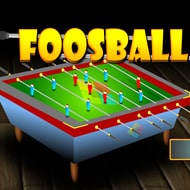
 What happens if you slam every row forward the instant the ball crosses into your half? In Foosball that reflex is exactly how a shot gets away from a new player, because the same row that just blocked a pass is the row you now need to swing back the other way to set up your own attack. The table punishes players who treat every touch the same regardless of which row is holding the ball.
The core mechanic behind Foosball is that the figure rows on your side move opposite one another, so pulling one row back automatically pushes the next row forward. That single detail is the whole game underneath the goals and scoreboard, and it is the first thing that trips up anyone who expects the rows to behave independently the way loose toy figures would.
Player one controls their rows with the W and S keys, moving figures up and down the table, while player two answers with the up and down arrow keys on the same keyboard. Against the CPU, only player one’s controls are active, which keeps the learning curve focused on one row pattern at a time before adding a second player into the mix.
Once the pattern of opposing movement is second nature, the real skill becomes anticipation rather than reaction: watching where the ball is headed two rows ahead instead of chasing it with whichever row happens to be closest when it arrives.
Foosball offers two ways to play a match, and they change what a win actually means rather than just how long a session lasts. Scrimmage is a single match against the CPU or a second player, first to seven goals, useful for warming up on the row timing without any stakes attached to the result. Championship strings several matches together, so a sloppy first game can still be recovered if the row control tightens up by the next one.
First to seven goals wins either mode, and because the rows move opposite each other, most goals come from forcing a defender’s row out of position rather than simply outrunning it. A shot that looks stoppable in isolation can slip through because the row needed to block it was already committed the other direction.
Bank shots off the side walls are a real foosball technique that carries over here: angling a shot into the rail to redirect it past a row lined up dead center is one of the few ways to score when the direct lane is covered, and it is a habit most beginners never think to try until they have lost several rounds trying to force the ball straight through.
Playing a friend on the same keyboard changes the table’s rhythm more than facing the CPU does, since a second player reacts to feints and fake row movements in a way the computer does not always fall for.
Foosball stays simple on the surface, but the opposing-row rule underneath the goals is what separates a lucky Scrimmage win from a player who can carry a Championship run against a friend on the same keyboard. Once you are reading the rows instead of the ball, seven goals stop feeling like luck.





There are no reviews yet. Be the first one to write one.