






 (No Ratings Yet)
 Loading...
Fullscreen









 (No Ratings Yet)Loading...
 In Snakes and Ladders your token starts off the board, waiting on square one until the dice send it forward, and that single condition matters more than it looks. Every square ahead already has its shortcut or setback built in before you ever roll — you just don’t know which ones yet. You picked an avatar, typed a nickname, and joined a table of up to six, and from here the dice decide almost everything that happens next.
| Players | 2 to 6 |
| Modes | Vs computer, pass-and-play, multiplayer |
| Board origin | Ancient Indian game, later sold in England as Snakes and Ladders |
The rules underneath the animation are exactly what they’ve always been. A roll moves your token forward that many squares, landing on a ladder’s bottom rung sends you climbing to its top, and landing on a snake’s head sends you sliding down its tail. There’s no move to decline and no square you can choose to avoid.
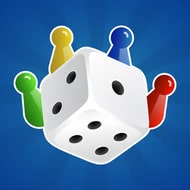
Three ways to play sit behind the same board. Facing the CPU fills the empty seat with a computer opponent for a quick round. Pass-and-play keeps everyone on one device, trading turns back and forth, while the full multiplayer room seats up to six token-holding players — and with six tokens circulating, a late ladder near the final stretch can flip the standings in one roll.
That lack of choice is exactly what players argue about. Some treat the game as a relaxing format to play half-focused while chatting, while others find the absence of strategy frustrating once they want a game that rewards skill. A cautious player watches for the cluster of snakes near the top rows, while a player who only wants to finish fast barely notices the layout until one sends them tumbling. This board’s layout traces to an ancient Indian game, later formalized as Moksha Patam around the 13th century, where ladders stood for virtues and snakes for vices.
Almost none, by design rather than oversight. Every move is fixed by the die roll and the board layout, so a player can’t choose to move fewer squares to dodge a snake or hold back a good roll. The only real decision most rounds leave you is which mode to join before the dice take over.
Because ladders and snakes sit throughout the board rather than clustered near the start, a player who was far behind can land on a late ladder and leap ahead of everyone in one roll. A lead never feels safe until a token reaches the final square, since one bad roll onto a snake’s head can undo dozens of squares of progress instantly.
Snakes and Ladders still works the way it did as a physical board in a family game cupboard: no hands to shuffle, no strategy to master, just a die and a token, racing rivals in the multiplayer room or a single CPU opponent in a quiet pass-and-play round.





There are no reviews yet. Be the first one to write one.