



 (1 votes, average: 5.00 out of 5)
 Loading...
Fullscreen




 (1 votes, average: 5.00 out of 5)Loading...
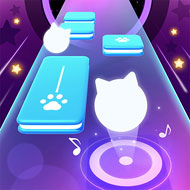
In Dancing Cats – Music Tiles you start with a single cat and a lane of scrolling tiles, which sounds simple until the meowing remixes and EDM drops start layering on top of each other. The setup matters, because everything the game asks of you afterward builds directly on that first uncomplicated hold-and-drag control.
| Genre | Rhythm / tile-tapping |
| Platform | Mobile, browser |
| Control scheme | Hold and drag the cat between tiles |
| Music style | Pop and EDM remixes layered with cat “meow” sounds |
Unlike tap-based tile games, Dancing Cats – Music Tiles has you hold and drag your cat continuously to guide it onto the correct tiles rather than tapping discrete inputs. That distinction changes the skill ceiling; smooth, controlled dragging matters more here than raw tapping speed.
Stars scattered along the lane act as the scoring currency, collected passively as long as you’re tracking the beat correctly. Missing tiles doesn’t just cost points, it breaks the visual flow of the cat’s dance animation, which is a small but deliberate feedback signal players pick up on quickly.
The soundtrack mixes global pop hits with independent tracks, all filtered through the game’s signature “meow” remix treatment, a detail community members bring up constantly when describing what makes the game distinct from other tile-tapping cat games on the market.
New players often release and re-grip the cat between tiles instead of maintaining one continuous drag motion, which introduces timing gaps the game punishes more harshly than a missed single tap would in other tile games.
Song selection early on matters more than players expect. Picking unfamiliar tracks before building comfort with the drag control tends to produce frustration that has more to do with the input method than the song’s actual difficulty.
By the time you’ve unlocked two or three additional cats, the game’s main hook becomes less about difficulty and more about collecting the roster, which is a shift several long-time players note happens earlier than in comparable tile games.
One recurring point of debate is what happens after a failed run: the cats visibly react with a sadder cue before the same song replays, and some players find that emotional beat charming while others find it a strange tonal shift for a lighthearted rhythm game. It’s a small design choice, but it’s mentioned often enough in reviews to count as a genuine talking point.
Dancing Cats – Music Tiles turns a familiar tile-tapping formula into something distinct through its drag-based control and the cast of unlockable cats, even if the post-failure cue occasionally splits opinion among reviewers. For players chasing star collection over pure difficulty, it delivers a lighter, more forgiving pace than most tile games in the genre.


There are no reviews yet. Be the first one to write one.